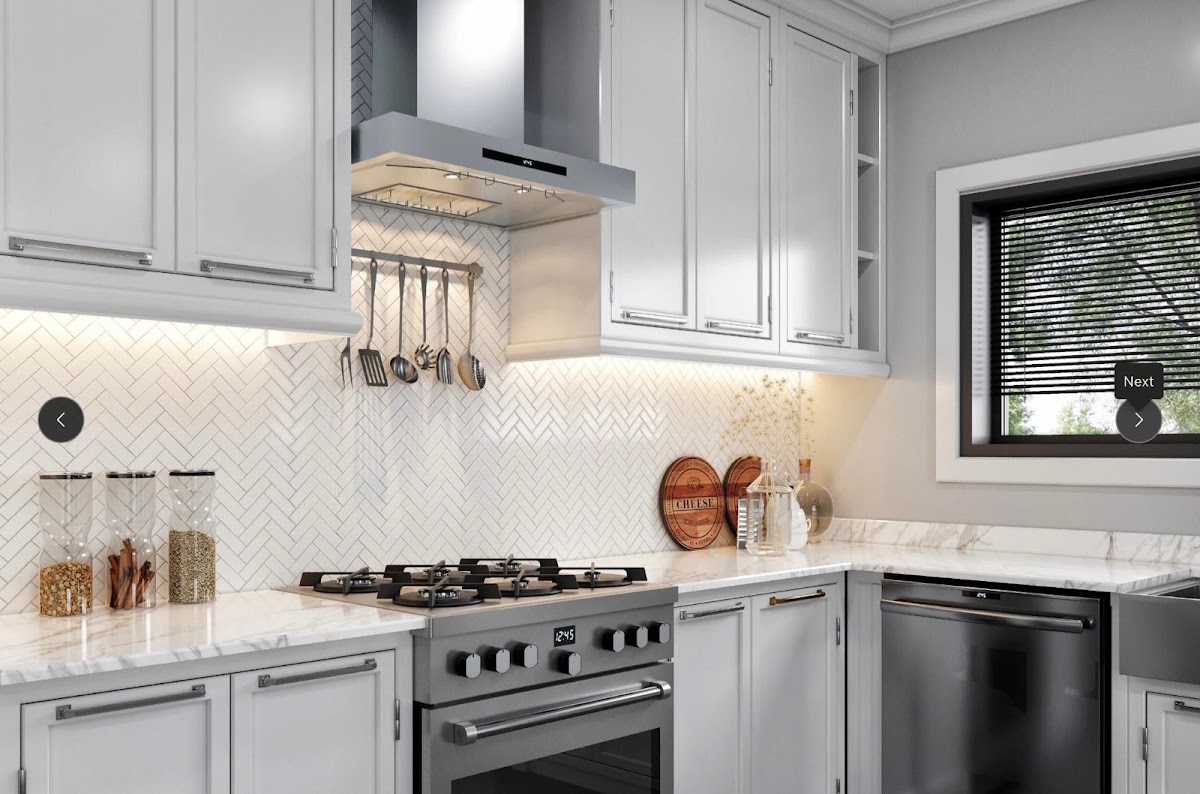
The custom home building process Seattle homeowners pursue is one of the most rewarding and complex projects a family can take on. However, it requires careful planning, the right team, and a clear understanding of local rules before a single nail is driven.
Seattle is a unique market. The city's steep lots, wet climate, and strict zoning codes make building here different from almost anywhere else in the country. According to Seattle's Department of Construction & Inspections (SDCI)/construction-permits), residential permit timelines can stretch from a few months to over a year depending on project scope and complexity.
Building custom means you control every detail, from the floor plan to the finishes. For many families, that freedom is worth the extra effort. This guide walks you through every major stage of the Seattle new home construction journey, from setting your budget to receiving your certificate of occupancy.
Planning Your Budget and Vision in Seattle
Starting with a clear budget and a defined vision will save you time, stress, and significant expense down the road. Before a single shovel hits the ground, you need a realistic financial plan that accounts for Seattle's elevated construction market.
Seattle's material and labor costs run higher than the national average. Because of this, most experienced contractors recommend building in a contingency fund of 10 to 15% above your base estimate for unexpected costs.
Your overall budget will typically cover:
- Land purchase (if not already owned)
- Design and architectural fees
- Permits and city fees
- Construction costs (entry-tier to premium-tier depending on finishes)
- Landscaping and exterior work
- Furniture and move-in costs
Check whether you qualify for energy-efficiency incentives as well. Energy Star certified homes can produce meaningful annual savings on utility bills. Certain green building upgrades may also qualify for federal tax credits — verify current amounts at irs.gov/credits-deductions before budgeting.
Think about how you want to live in your home. Do you need a home office, an open kitchen layout, or room for multigenerational family members? Vision without priority leads to scope creep. Rank your must-haves versus nice-to-haves before meeting with any builder. This keeps conversations focused and budgets intact.
Research your target neighborhood before finalizing plans. Seattle's housing density rules and lot sizes vary widely by district. Specifically, what you can build in Ballard may differ significantly from what is allowed in Magnolia or Beacon Hill. Talking to a local builder early keeps your vision grounded in what is actually buildable on your chosen site.
Lot Selection and Site Evaluation
Choosing the right lot shapes every decision that follows, from design to budget to timeline. In Seattle, terrain varies widely. You might find a flat lot in Beacon Hill or a steep, view-heavy parcel in Queen Anne. Each comes with unique challenges and opportunities.
Before you make an offer, evaluate these key factors:
- Slope and grading: Steep lots often require extra excavation and retaining walls
- Soil conditions: Seattle's clay-heavy soils can affect foundation type and overall cost
- Flood zones: Check FEMA's Flood Map Service Center before buying
- Utility access: Confirm water, sewer, gas, and electrical hookups are available
- Setback requirements: Seattle zoning rules dictate how close you can build to property lines
Seattle sits in a seismically active region. The USGS Earthquake Hazards Program classifies much of the Pacific Northwest as high-risk for seismic activity. Because of this, a geotechnical report is often required before permitting begins.
Also check for wetland buffers (many Seattle parcels border protected areas), tree canopy rules under the city's Urban Forestry Management Plan, and environmental overlays that trigger additional review. Hiring a civil engineer or land surveyor early prevents costly surprises. They can identify drainage issues, easements, and boundary disputes before you commit to a purchase.
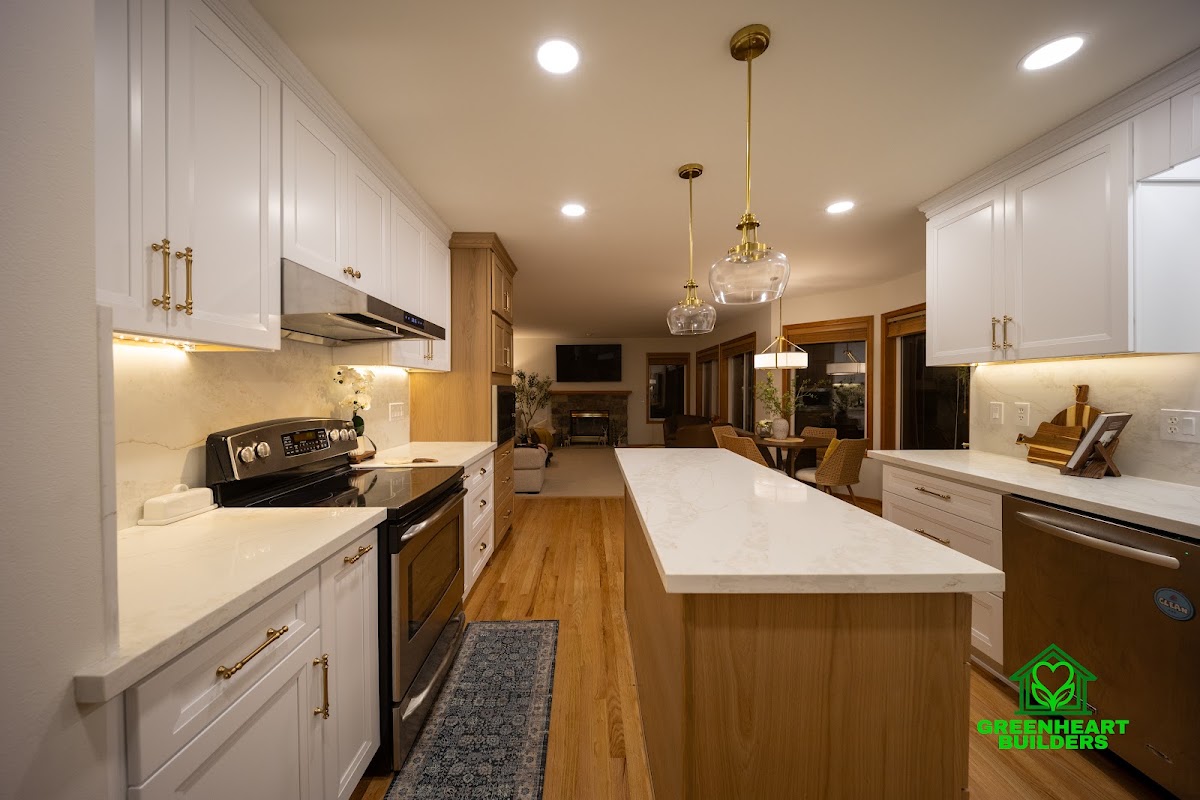
Design, Permitting, and Seattle Regulations
Getting the design and permitting phase right saves time, money, and major headaches later. This stage is detail-heavy, but experienced local contractors know exactly what Seattle reviewers expect.
First, hire an architect or designer licensed in Washington State. They will translate your vision into construction documents that meet Seattle's building codes. Key design decisions to lock in early include:
- Square footage and layout: room count, flow, and accessibility needs
- Energy efficiency standards: Seattle follows the Washington State Energy Code, one of the strictest in the nation
- Structural requirements: Seattle's seismic zone demands earthquake-resistant framing details
- Stormwater management: impervious surface limits apply in many neighborhoods
Seattle's SDCI handles all residential building permits. For a new custom home, expect a Type II or Type III permit review, which can take 4 to 12 months depending on project complexity and current backlog. Plan for these common permit types:
- Building permit (structural and architectural)
- Mechanical permit (HVAC systems)
- Electrical permit
- Plumbing permit
- Grading permit (if significant earthwork is needed)
Seattle's zoning code controls setbacks, height limits, lot coverage, and ADU allowances. Most single-family zones cap building height at 35 feet. In addition, Seattle's Mandatory Housing Affordability program may apply to certain projects. Always verify current rules directly with SDCI before submitting plans, as regulations update regularly.
Construction Phase Step by Step
Knowing what to expect at each construction phase helps you stay on schedule and avoid costly surprises. The build itself moves through five distinct stages, each with its own inspections and milestones.
Phase 1: Site Preparation and Foundation. Your builder clears and grades the lot first. In Seattle, crews often encounter clay-heavy soil or bedrock, which can affect excavation timelines. Most Seattle homes use poured concrete foundations due to seismic zone requirements, and the city requires a foundation inspection before framing begins. Washington State Department of Labor & Industries requires all foundation and structural work to meet strict seismic safety codes in King County.
Phase 2: Framing and Exterior Work. Next, the skeleton of your home goes up. Framing usually takes 4 to 8 weeks, depending on square footage. After framing, crews install roofing and weatherproofing, windows and exterior doors, and siding or cladding materials. Seattle's wet climate makes proper moisture barriers especially critical at this stage.
Phase 3: Mechanical, Electrical, and Plumbing (MEP). Licensed subcontractors run all systems through the walls, often overlapping with framing completion. Each trade requires a separate city inspection before walls close. In our experience, coordinating MEP trades early prevents the scheduling bottlenecks that most commonly delay Seattle custom builds.
Phase 4: Insulation, Drywall, and Interior Finishes. Once MEP inspections pass, insulation goes in quickly. Drywall follows, then painting, flooring, cabinetry, and fixtures. Finish work is typically the longest phase, running 8 to 14 weeks depending on material lead times and the complexity of your selections.
Phase 5: Final Inspections and Certificate of Occupancy. Your builder schedules a final walkthrough and city inspection. Seattle issues a Certificate of Occupancy only after all systems pass. Our services include managing every inspection milestone so nothing slips through the cracks.
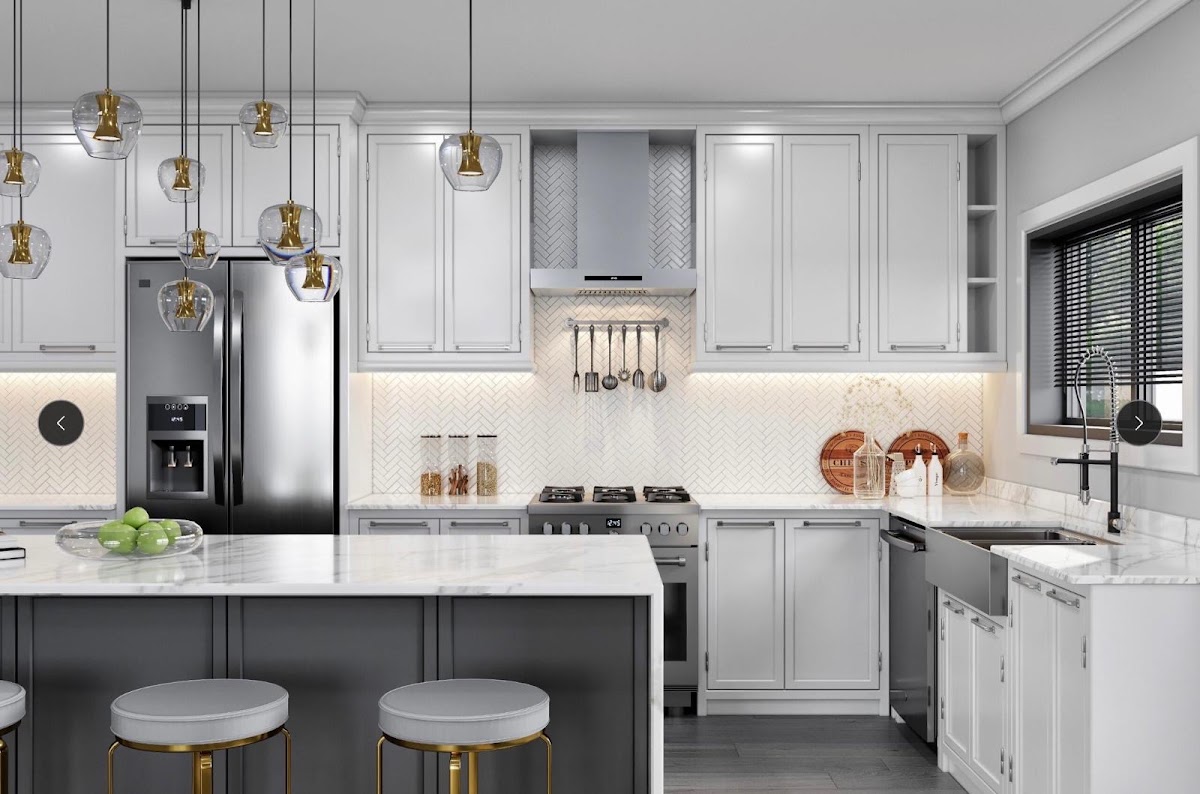
Custom Home Build vs. Buying Existing in Seattle
Both paths have real trade-offs. Understanding them helps you make a smarter choice for your budget, timeline, and lifestyle.
Buying an existing home is faster. You can often close in 30 to 60 days. However, you inherit someone else's layout, finishes, and deferred maintenance. Building custom gives you full control over every detail. In addition, new construction meets current energy codes, which produces meaningful annual savings on utility bills compared to older Seattle homes.
Key Differences at a Glance
| Factor | Custom Build | Existing Home |
|---|---|---|
| Timeline | 18 to 36 months | 1 to 3 months |
| Personalization | Full control | Limited |
| Upfront cost tier | Premium-tier | Varies widely |
| Energy efficiency | Built to current code | Often needs upgrades |
| Location flexibility | Depends on lot availability | Broader inventory |
| Finish customization | Unlimited | Renovation required |
Seattle's housing inventory remains tight. According to Redfin's Seattle housing market data, median home prices in Seattle have stayed well above national averages for several years. As a result, many buyers find that building custom is more financially competitive than it initially appears.
Consider building custom if you want a specific layout or accessibility features, plan to stay in the home 10 or more years, or value energy efficiency and modern mechanical systems. On the other hand, buying existing works better if speed or a tight timeline is your top priority. For projects that fall somewhere in between, a major kitchen remodel can transform an existing home — explore our kitchen remodel services for more on that path.
Why Choose a Local Seattle Contractor for Your Custom Home Build
Local contractors bring knowledge that out-of-town builders simply cannot match. In our experience working in Seattle, local expertise directly reduces permit delays and on-site surprises.
Local contractors already understand Seattle's Environmentally Critical Areas (ECA) regulations for slopes and wetlands, SDCI permit timelines that can stretch 6 to 12 months for complex projects, and energy code requirements tied to Washington State's strict efficiency standards. They also know neighborhood-specific design review processes in areas like Capitol Hill or Ballard. Because they have worked these systems before, local pros avoid costly delays.
In addition, local contractors have built relationships with reliable Seattle-area subcontractors. A tight local network means faster scheduling and better accountability on your job site. Meanwhile, a local team can visit your site quickly when issues arise — unexpected soil conditions near Puget Sound require fast, informed decisions.
Learn more about our team and approach on our about us page, or contact us to start the conversation.
FAQ: Custom Home Building in Seattle
How Long Does It Take to Build a Custom Home in Seattle?
What Are the Biggest Surprises Homeowners Face?
Can I Use Energy Incentives to Offset Costs?
Do I Need a General Contractor or Can I Self-Manage?
How Do I Choose the Right Builder for My Custom Home Building Process Seattle Project?
What Permits Does the City of Seattle Require for New Custom Home Construction?
Ready to Start Your Custom Home Build in Seattle?
You have learned the key steps — from budgeting and lot selection to permits and construction. Now is the time to act. Here is how to move forward with confidence:
- Define your must-haves: square footage, layout, and key features
- Set a realistic budget with room for contingency costs
- Connect with a licensed local builder who knows Seattle's permitting process inside and out
Seattle's permitting timelines can run 6 to 12 months, so early preparation matters. Explore our full range of building and remodeling services to see how we support homeowners from first sketch to final walkthrough.
Ready to talk? Contact our team today for a no-pressure consultation. You can also reach us directly at (206) 786-6710. We are based in Seattle, WA and serve homeowners throughout the city and surrounding neighborhoods.
About This Guide
This guide was drafted with AI assistance for our Seattle remodeling team. Information reflects local conditions in Seattle. Last updated November 2026. For questions specific to your situation, contact us directly.